
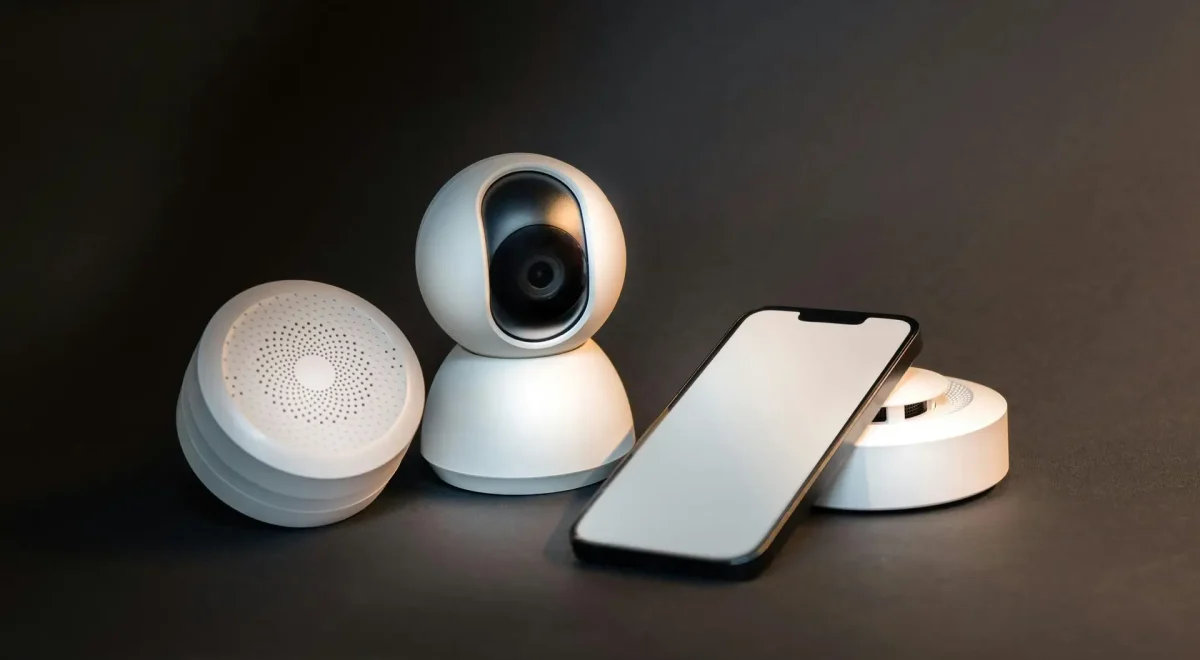
Smart Home Technology
Smart Home Technology: The Ultimate Guide to Automating Your Life Imagine waking up to a house that already knows your daily routine. The thermostat has perfectly warmed the living room, the coffee maker is brewing your favorite blend, and the window blinds automatically open to let in the morning light. This is no longer a scene from a science fiction movie; it is the everyday reality made possible by modern innovations. If you are looking to upgrade your living space and streamline your daily routines, this Smart Home Technology: The Ultimate Guide to Automating Your Life will walk you through everything you need to know.
What is Smart Home Technology?
At its core, smart home technology refers to a suite of appliances, devices, and systems that connect into a shared network, usually via Wi-Fi or Bluetooth. This network allows the devices to be independently and remotely controlled. When your home technology works together in one unified system, it transforms a standard living space into a “connected home.”
These internet-connected devices allow you to manage essential functions—such as home security, ambient temperature, lighting, and entertainment—directly from your smartphone, tablet, or through a virtual voice assistant, no matter where you are in the world.
Core Components of a Smart Home Ecosystem
To truly automate your life, you need to understand the essential building blocks of a connected home. Here are the most popular categories to consider:
- Smart Hubs and Voice Assistants: Think of these devices as the central nervous system of your home. Platforms like Amazon Echo (Alexa), Google Nest Hub, or Apple HomePod allow you to control various disparate gadgets using simple voice commands. They unify your devices, allowing them to communicate and trigger one another.
- Smart Lighting: This is often the easiest entry point into home automation. Smart bulbs (like Philips Hue) and smart switches allow you to schedule when lights turn on or off, change color temperatures to suit your mood, and control them remotely so you never have to come back to a dark house.
- Intelligent Climate Control: Smart thermostats, such as the Nest Learning Thermostat or Ecobee, learn your schedule and temperature preferences over time. They automatically adjust the climate of your home to ensure maximum comfort while strictly minimizing energy waste when you are away.
- Advanced Security Systems: Smart locks, video doorbells (like Ring), and motion-sensor cameras give you unprecedented peace of mind. You can monitor your property in real-time from anywhere, grant temporary digital keys to guests or delivery drivers, and receive instant alerts if unusual activity is detected.
- Smart Appliances: From refrigerators that can track your groceries and suggest recipes, to robotic vacuums that clean your floors while you are at work, large and small appliances are becoming increasingly autonomous.
The Major Benefits of Automating Your Life
Why should you invest the time and money into these connected devices? The advantages go far beyond simply having the latest tech.
- Unparalleled Convenience: Automating repetitive, daily tasks saves you immense amounts of time. You can lock all your doors, lower the blinds, and turn off all the lights with a single “goodnight” voice command.
- Enhanced Energy Efficiency: By ensuring systems like heating, cooling, and lighting are only active when actually needed, smart home technology significantly reduces your monthly utility bills and lowers your overall carbon footprint.
- Increased Safety: Real-time mobile monitoring, automated lighting that simulates occupancy while you are on vacation, and smart smoke or leak detectors provide a robust, proactive layer of protection for your property and family.
How to Get Started
Building a smart home does not mean you need to rewire your entire house all at once. The best approach is to begin small. First, choose a primary ecosystem (Google, Amazon, or Apple) to ensure all your future devices will be compatible.
Start with a single smart speaker and a few smart light bulbs. As you become more comfortable with the setup and automation routines, you can gradually add a smart plug, a video doorbell, or a thermostat. The true beauty of these systems is their modularity—you can build out your automated life at your own pace and according to your own budget.
Conclusion
Embracing Smart Home Technology: The Ultimate Guide to Automating Your Life is about much more than just buying cool, flashy gadgets. It is about creating a responsive living environment that seamlessly adapts to your needs. As these technologies become increasingly affordable, reliable, and intuitive to use, automating your home is no longer a luxury reserved for tech enthusiasts. It is a smart, practical step toward a highly efficient, secure, and comfortable future.
One Response
Hello