
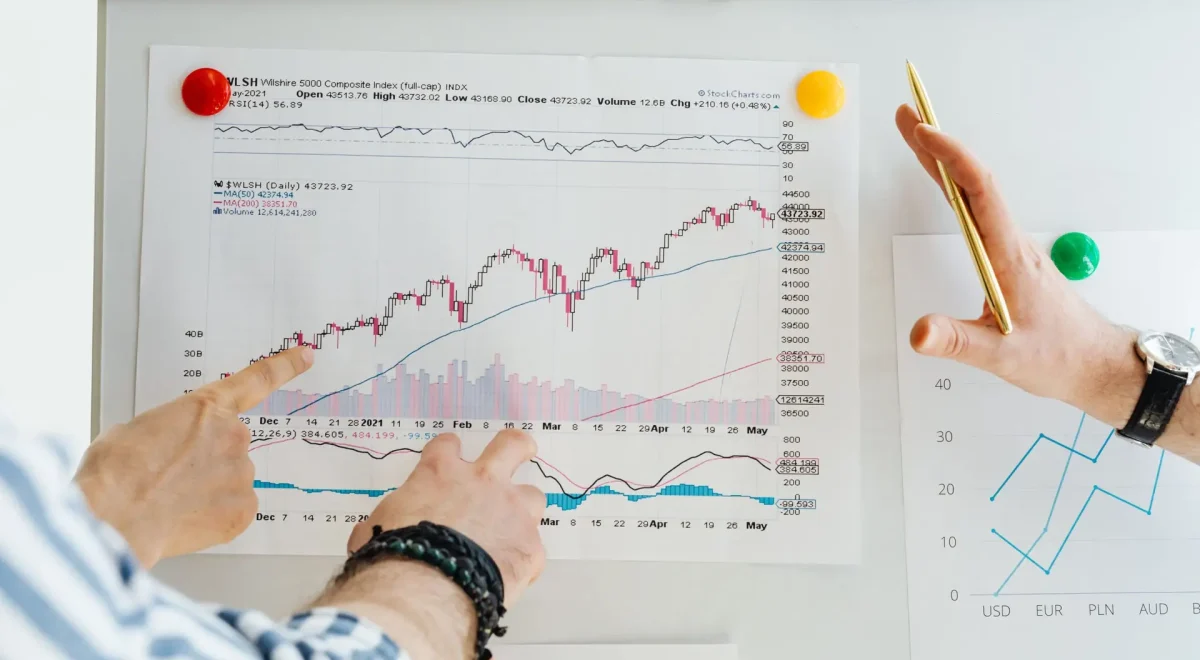
How Companies Forecast Trends and Customer Behavior
Predictive Analytics Explained: How Companies Forecast Trends and Customer Behavior : In today’s data-driven business landscape, companies no longer have to rely on guesswork or gut feelings to plan for the future. Every time a consumer browses an online store, uses a loyalty card, or streams a video, they leave behind a trail of digital clues. By systematically analyzing these historical patterns, organizations can anticipate what will happen next with remarkable accuracy.
If you want to understand how modern enterprises transform raw historical data into a crystal ball for business strategy, this guide provides predictive analytics explained: how companies forecast trends and customer behavior.
What is Predictive Analytics?
Predictive analytics is a branch of advanced data analysis that uses historical data, statistical modeling, data mining techniques, and machine learning to make predictions about future outcomes. Instead of simply looking backward to see what happened (descriptive analytics), it looks forward to determine what is likely to happen next. By identifying patterns in past behavior, predictive models assign a probability score to future events, allowing companies to make highly proactive decisions.
1. Anticipating Consumer Purchases and Customer Behavior
The most common application of this technology is predicting what a customer wants before they even realize it themselves.
- Hyper-Personalized Recommendations: E-commerce giants and streaming platforms track your past clicks, watch time, and purchase history. Predictive models process this data to instantly display products or content tailored to your specific taste, significantly increasing conversion rates.
- Preventing Customer Churn: It costs far more to acquire a new customer than to retain an existing one. By analyzing usage metrics, support tickets, and billing changes, predictive models can flag accounts that show signs of dissatisfaction. This allows customer success teams to step in with targeted offers or interventions before the client switches to a competitor.
2. Forecasting Market Trends and Demand
Accurately predicting market demand is the difference between a highly profitable quarter and a logistical nightmare. Predictive modeling helps businesses optimize their entire supply chain.
- Inventory Optimization: Retailers analyze past sales cycles, weather forecasts, social media trends, and macroeconomic indicators to predict exactly how many units of a product will sell in a given month. This prevents overstocking which ties up valuable capital and avoids stockouts that drive frustrated customers to competitors.
- Dynamic Pricing Strategies: Airlines, ride-sharing apps, and hospitality brands use predictive algorithms to adjust prices in real-time based on forecasted demand, historical buying habits, and competitor pricing, maximizing profit margins automatically.
3. Optimizing Marketing Campaigns and ROI
Traditional marketing often involves broad targeting and hoping for the best. Predictive modeling turns marketing into a precise science.
By evaluating demographic data and early engagement metrics, algorithms can predict which leads are most likely to convert into high-value clients. This allows marketing teams to allocate their ad spend exclusively toward high-intent audiences, drastically lowering the Cost Per Acquisition (CPA) and maximizing total return on investment.
4. Mitigating Operational and Financial Risks
Predictive tools are just as vital for protecting corporate assets as they are for growing revenue.
In the financial sector, predictive algorithms analyze thousands of transactions per second to detect anomalies that deviate from a user’s normal behavior, stopping fraudulent activity before it clears. In manufacturing, predictive maintenance models analyze sensor data from heavy machinery to forecast exactly when a part is likely to fail, allowing mechanics to fix the issue during scheduled downtime and avoiding catastrophic operational stalls.
The Bottom Line
Predicting the future isn’t about magic; it is about math, patterns, and high-quality data. When companies move from reacting to the present to anticipating the future, they gain an unshakeable competitive edge. Embracing the framework of predictive analytics explained: how companies forecast trends and customer behavior empowers organizations to eliminate operational waste, secure higher marketing returns, and build a resilient, forward-thinking business capable of thriving in a fast-changing marketplace.
One Response
Hay