
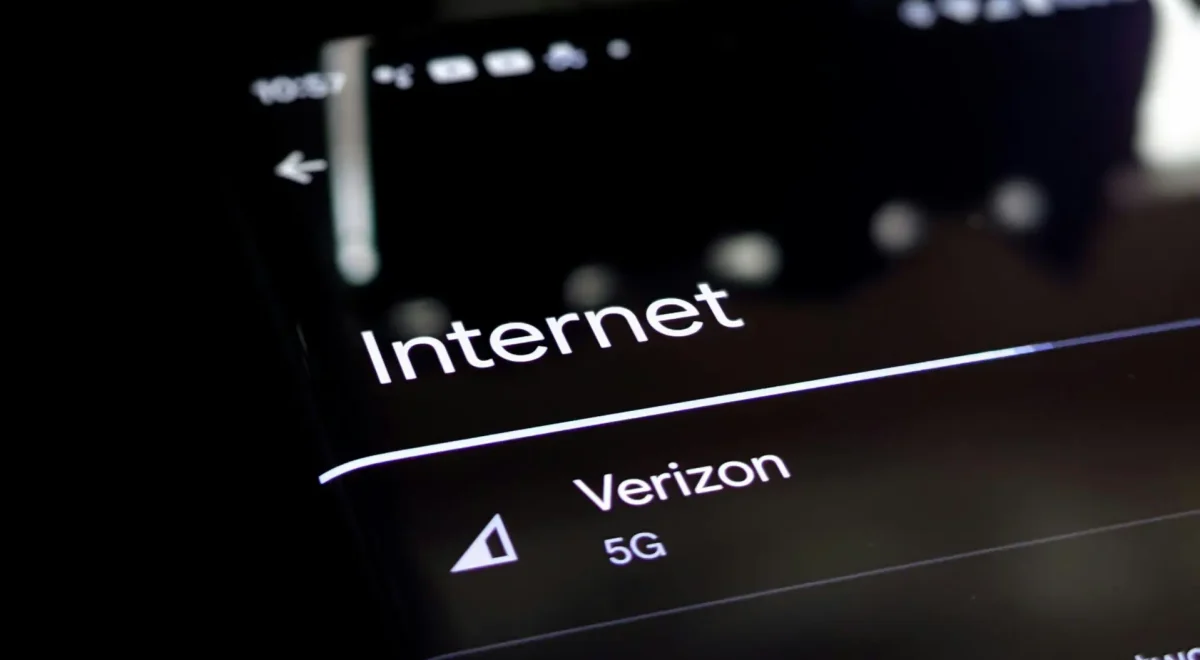
The world of connectivity is moving faster than ever. From the early days of basic voice calls on 1G to the app revolution brought by 4G, each generation of mobile networks has changed how we live. Today, 5G technology is the new standard, and it is doing far more than just making our phones faster.
In this article, we will explore how 5G technology is revolutionizing mobile communication, what makes it different from previous networks, and how it is shaping our digital future.
What is 5G Technology?
At its simplest, 5G is the fifth generation of wireless technology. It is designed to deliver higher peak data speeds, ultra-low latency, more reliability, massive network capacity, and a more uniform user experience to more users.
While 4G was built mainly for smartphones and mobile internet, 5G is designed to connect almost everyone and everything together—including machines, objects, and devices.
The Three Pillars of 5G Performance
To understand its impact, we need to look at the three main features that 5G brings to the table:
- Unmatched Speed: 5G can reach speeds up to 100 times faster than 4G. This means downloading full-length HD movies in seconds instead of minutes.
- Ultra-Low Latency: Latency is the delay before a transfer of data begins following an instruction. While 4G has a latency of about 30 to 50 milliseconds, 5G cuts that down to just 1 millisecond.
- Massive Capacity: 5G networks can support up to 1 million connected devices per square kilometer, compared to only about 100,000 devices for 4G.
How 5G Technology is Revolutionizing Mobile Communication
The transition to 5G is completely reshaping how we interact with our devices and the world around us. Here is how this revolutionary technology is making a difference:
1. Crystal-Clear, Real-Time Communication
Have you ever experienced frozen screens or dropped audio during a video call? With 5G, those frustrations are becoming a thing of the past. The ultra-low latency and high bandwidth of 5G ensure that high-definition video calls, virtual meetings, and live-streaming happen in real-time with zero lag, making digital conversations feel as natural as face-to-face interactions.
2. The Rise of “Smart” Lifestyles and IoT
The Internet of Things (IoT) refers to everyday devices connected to the internet. Because 5G can support millions of devices simultaneously, it serves as the backbone for smart homes and smart cities. Everything from your smart fridge and home security systems to city traffic lights and utility grids can communicate with each other instantly, creating a highly efficient, automated ecosystem.
3. Enabling Immersive Experiences (AR and VR)
Augmented Reality (AR) and Virtual Reality (VR) require massive amounts of data processed instantly to prevent motion sickness and lag. 5G makes mobile AR and VR seamless. This opens up incredible opportunities for mobile communication, allowing users to attend virtual concerts, explore digital tourist spots, or participate in interactive, remote learning environments right from their mobile devices.
4. Boosting Remote Work and Collaboration
The modern workforce relies heavily on cloud computing and constant connectivity. 5G allows remote workers to access heavy cloud-based files, collaborate on complex projects, and share large amounts of data instantly without needing a physical Wi-Fi connection. It turns any location with a cellular signal into a fully functional, high-speed office.
Beyond Phones: Transforming Other Key Industries
The impact of how 5G technology is revolutionizing mobile communication extends far beyond our personal smartphones. It is driving breakthroughs in critical sectors:
- Healthcare: 5G enables telemedicine to reach its full potential. Surgeons can perform remote surgeries using robotic tools controlled via high-speed, lag-free 5G networks.
- Transportation: Self-driving cars require instant communication with other vehicles and traffic infrastructure to operate safely. 5G provides the split-second data transfer needed for autonomous driving.
- Entertainment: Cloud gaming is exploding because 5G allows players to stream graphically demanding games on their mobile phones without the need for an expensive gaming console.
Challenges in the 5G Rollout
While the benefits of 5G are game-changing, its global adoption comes with a few challenges:
- Infrastructure Costs: 5G relies on higher-frequency waves that don’t travel as far as 4G waves. This means network providers must install many small “cell stations” closer together, which requires significant financial investment.
- Device Upgrades: To enjoy the benefits of 5G, consumers must purchase 5G-enabled devices, which can be an added expense for some users.
Conclusion
There is no doubt that how 5G technology is revolutionizing mobile communication is one of the most exciting digital stories of our decade. By breaking the barriers of speed, latency, and capacity, 5G is not just giving us faster smartphones—it is creating a fully connected, smarter world.
As coverage continues to expand globally, the possibilities for innovation are virtually limitless. Embracing 5G today means preparing for a faster, more collaborative, and highly efficient tomorrow.